
A flat tire on a quiet road. A dead battery in a parking lot. A fender-bender where two drivers remember events differently.
These aren’t extraordinary emergencies. They’re everyday situations that can happen to almost anyone, often when least expected.
The difference between a manageable inconvenience and a dangerous roadside situation often comes down to preparation.
At Slyboss Outdoors, we believe being prepared isn’t about expecting the worst. It’s about having the right equipment, knowing how to use it, and recognizing when it’s safer to call for assistance.
Here are three useful additions to your vehicle emergency kit, along with the safety habits every driver should know.
A flat tire can quickly interrupt a road trip, commute, or family outing. Having the right equipment may help you manage a minor tire problem without waiting for roadside assistance.
But not every roadside location is safe for a tire change.
What to have ready:
A properly maintained spare tire or approved tire-repair solution: Follow your vehicle manufacturer’s instructions.
A vehicle-compatible jack: Check its rated lifting capacity, minimum and maximum lifting height, and compatibility with your vehicle’s designated jack points.
A portable tire inflator: Useful for restoring pressure in a tire with a minor, slow leak when the tire remains safe to inflate and drive on.
A tire pressure gauge: Helps you maintain the pressure recommended on your vehicle’s tire-information placard.
Featured Preparedness Gear
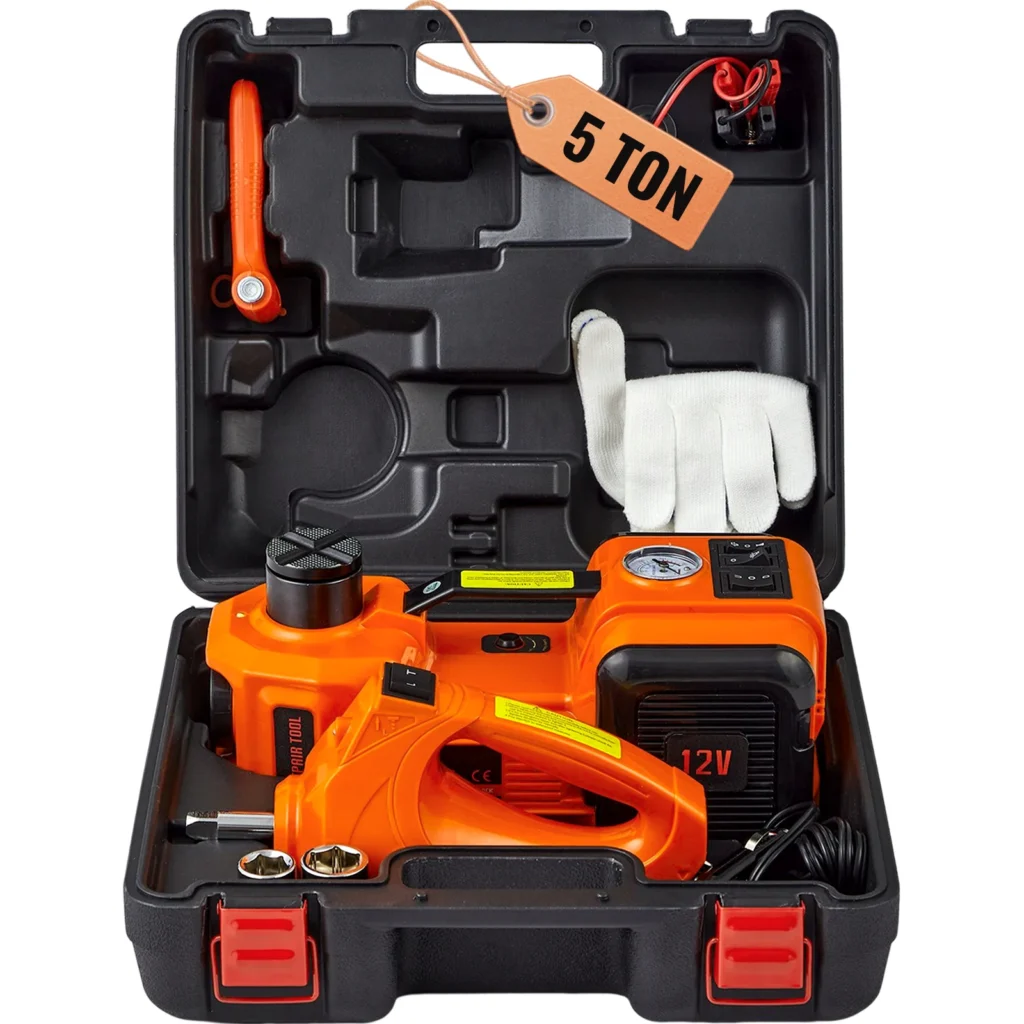
5T Hydraulic Car Jack with Built-in Inflatable Pump —This multifunction automotive tool combines a hydraulic lifting system with tire-inflation capability, offering a convenient option for drivers whose vehicles meet the equipment’s operating requirements.
Before purchasing, confirm that its lifting capacity, height range, power requirements, and lifting-point compatibility are appropriate for your vehicle.
Important roadside safety reminder: Never attempt a tire change in an active traffic lane or on an unstable, sloped, or narrow shoulder. Move to a safe location if possible, activate your hazard lights, and request roadside assistance when conditions are unsafe.
Use a jack only on firm, level ground at approved lifting points. Never position yourself beneath a vehicle supported only by a jack.
A tire inflator can help with some minor pressure losses, but it cannot make a severely damaged tire safe to drive on.
A weak or discharged battery can leave you stranded at home, at work, or far from a convenient service station.
Portable jump starters offer a practical advantage: many can help start a compatible vehicle without requiring another driver’s battery.
Some models also include an air compressor, providing two useful roadside functions in one device.
What to have ready:

Portable Car Jump Starter With Air Compressor — A portable jump starter with an integrated air compressor can provide convenient backup support for compatible vehicles experiencing a discharged battery or low tire pressure.
It can reduce your dependence on another vehicle for a jump-start, while combining two common roadside functions into one piece of equipment.
Important safety reminder: Jump starters must be used according to their instructions, with correct battery connections and compatibility. Do not attempt to jump-start a damaged, leaking, or frozen battery.
A jump starter may help start a vehicle with a discharged battery, but it cannot repair a failed alternator, damaged starter, or other mechanical problem.
If the engine starts but the battery warning light remains illuminated, have the charging system inspected.
Traffic incidents can unfold in seconds.
A sudden stop, unexpected lane change, rear-end collision, or parking-lot incident may leave drivers trying to reconstruct what happened.
A properly installed dash camera can provide valuable recorded information that may help document an event.
It’s not about assuming other drivers are careless. It’s about having another source of information when details matter.
What to have ready:
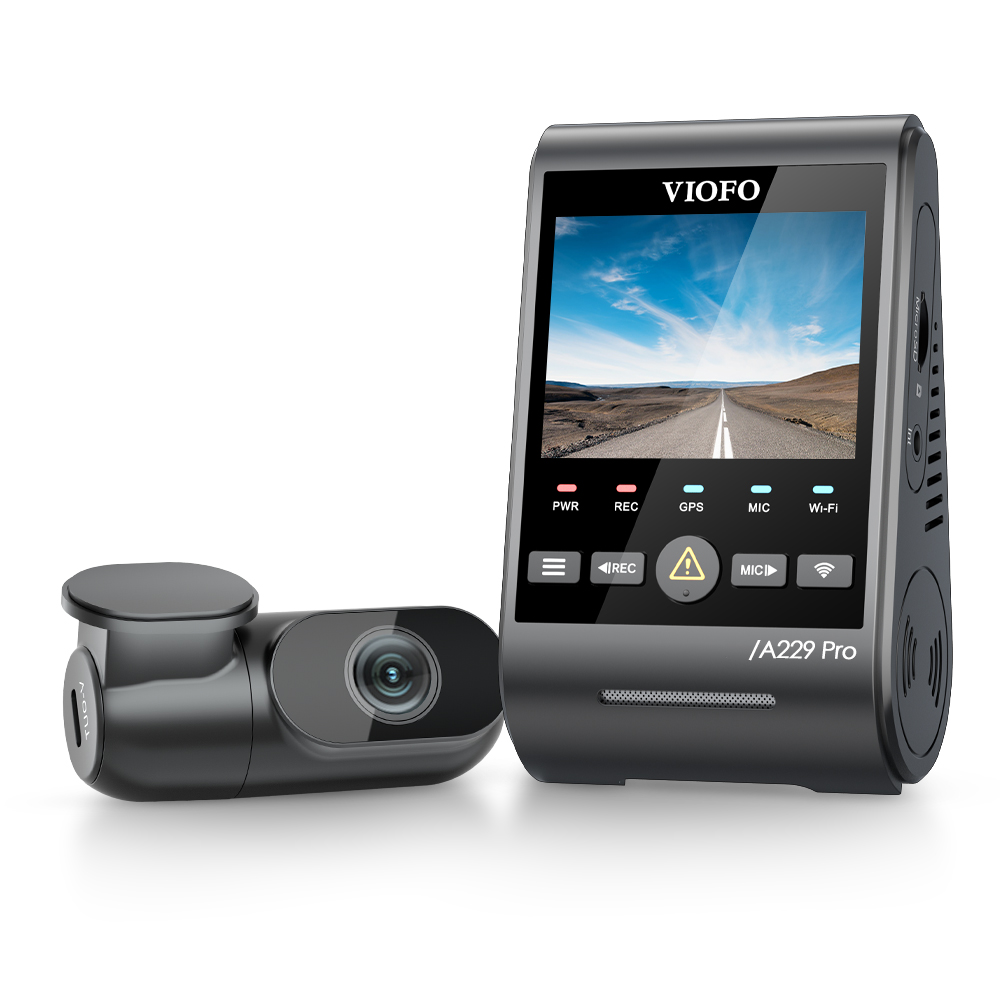
VIOFO A229 Pro 2CH — 4K Front & 2K Rear Dash Camera —The VIOFO A229 Pro 2CH combines 4K front recording with 2K rear recording, HDR technology, and Sony STARVIS 2 image sensors.
Designed for drivers who value detailed front-and-rear video coverage, it also offers features such as GPS, Wi-Fi connectivity, and voice control.
Its dual-camera design makes it a useful consideration for commuters, road-trip travelers, and drivers looking to document unexpected traffic events.
Important reminder: A dash camera can provide useful footage, but it cannot guarantee that every incident, license plate, or detail will be captured. Recording quality depends on lighting, weather, installation, camera settings, and other conditions.
Video footage also does not automatically establish legal fault or replace an insurance investigation.
Parking-mode recording may require additional installation or accessories, and recording laws can vary by location.
Slyboss Outdoors note: The VIOFO A229 Pro is our selected premium front-and-rear dash camera. Its product availability and purchase options should be confirmed through the manufacturer’s authorized sales channel.
The best emergency equipment is equipment you can find, operate, and safely use when needed.
A few simple habits can make a significant difference.
Inspect your emergency supplies periodically and before longer trips.
Confirm that your jump starter is charged, your tire inflator works, and your jack and other equipment are in usable condition.
Also check your spare tire, tire pressure, and the condition of your vehicle’s tires.
Store your roadside equipment in a consistent, secure location where it won’t become a hazard during sudden braking.
Avoid burying essential tools beneath luggage or other items that would be difficult to move during an emergency.
Read your vehicle owner’s manual and the instructions for your emergency equipment.
Know your vehicle’s approved jack points, tire-pressure specifications, and jump-starting procedures.
Practice identifying and accessing your equipment at home rather than learning for the first time beside a busy highway.
If your vehicle becomes disabled:
Never risk your safety simply to avoid waiting for help.
Alongside these three featured tools, consider keeping a flashlight, reflective warning equipment where appropriate, a first aid kit, drinking water, a phone charging solution, and essential emergency contact information in your vehicle.
Adjust your supplies for local weather, travel distance, passengers, and the areas where you drive.
You don’t need to purchase every emergency accessory at once.
Start with the equipment that addresses your vehicle’s most likely needs, then build a practical kit over time.
Our suggested priorities:
Remember, the most valuable roadside preparedness tools are the ones that match your vehicle, work when needed, and can be used safely.
At Slyboss Outdoors, our mission is simple: help everyday drivers feel more confident, capable, and prepared for the unexpected.
Explore our Preparedness Bundles or browse our vehicle safety and preparedness equipment to begin building a kit that fits your needs.
Questions about choosing the right preparedness equipment?
Email us at support@slybossoutdoors.com.
Be Prepared. Stay Connected. Live Confidently.
Slyboss Outdoors — Preparation Creates Freedom.
Affiliate disclosure: Some product links on Slyboss Outdoors may be affiliate links. If you make a qualifying purchase through one of these links, we may earn a commission at no additional cost to you.
— Sly Boss Outdoors