
If the power went out right now and stayed out for three days, would you be ready?
Most people would say “probably,” but when you actually sit down and think it through — water, light, communication, first aid — the gaps show up fast. That’s the whole idea behind the 72-hour standard: it’s the window emergency responders use as the baseline for getting help to most areas after a major disruption. Your job isn’t to prepare for forever. It’s to cover those first three days without panic.
Here’s the checklist we built this around — broken into the categories that actually matter, with the gear we’d put in our own kit for each one.
You can survive longer without food than without water, and most emergency plans underestimate how much you actually need — roughly one gallon per person, per day, minimum.
What to have on hand:
Show Image
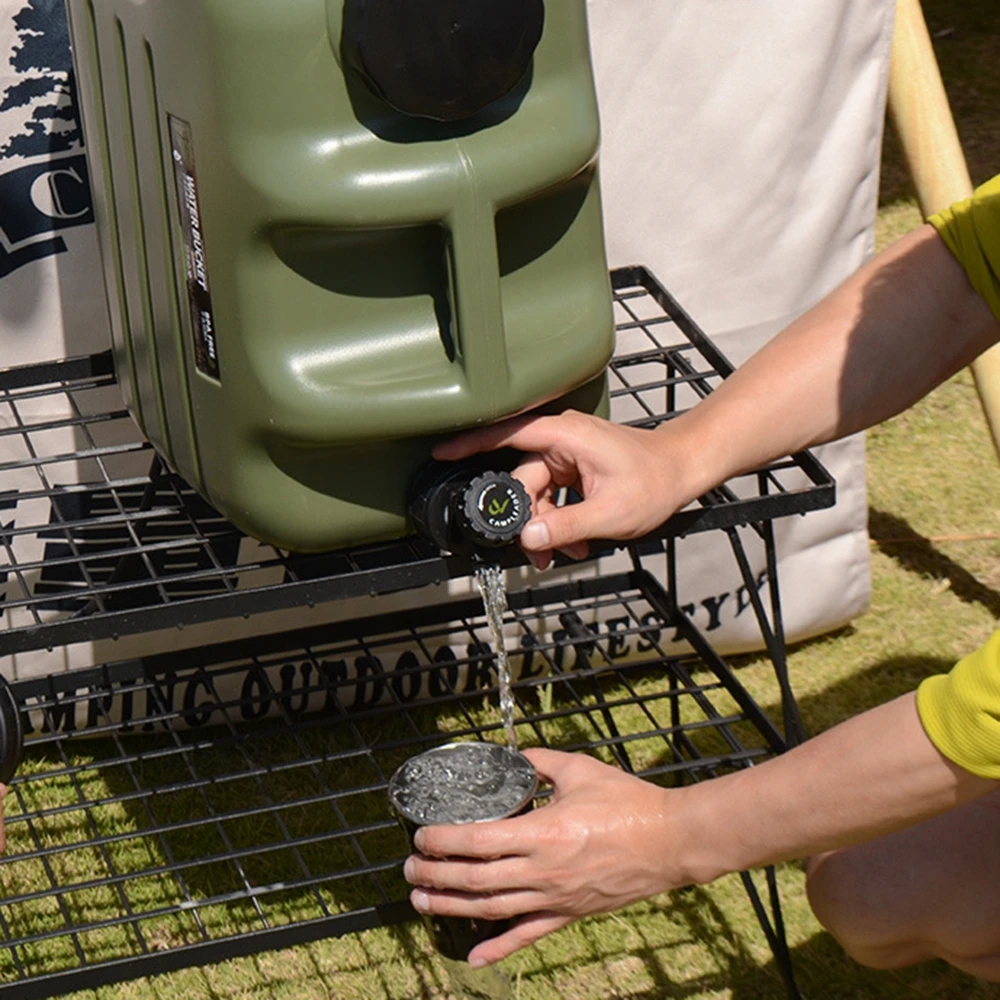
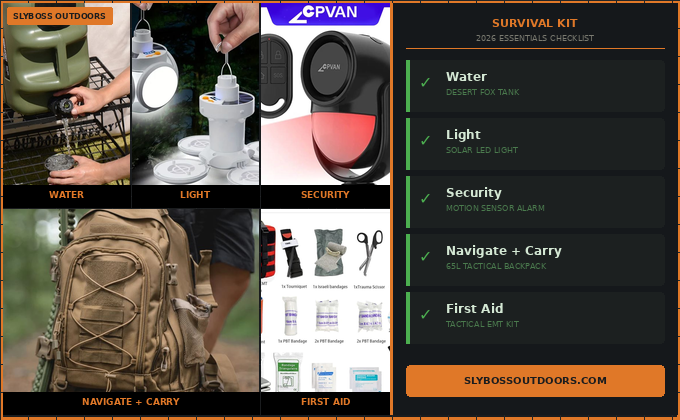
Desert Fox Large Water Tank Container with Spigot — A spigot matters more than people expect. When the power’s out and you’re rationing water by the cup, you don’t want to be tipping a heavy jug every time.
When the grid goes down, light stops being a convenience and becomes a safety issue — for moving around safely, for staying calm, and for being seen if you need to be.
What to have on hand:
Show Image
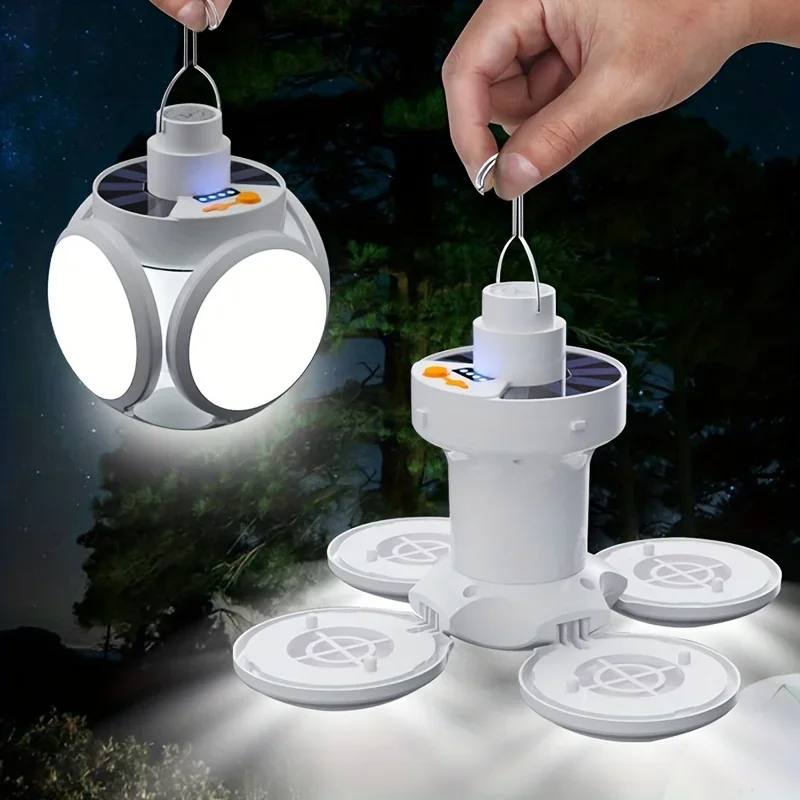
Solar/USB Rechargeable Folding Outdoor LED Light — Folds flat for storage, charges off sunlight or USB, so it’s still useful on day 3 of an outage, not just day 1.
This is the category most people skip — and the one that causes the most stress when it’s missing. You need a way to charge essentials and a way to know what’s actually happening outside your front door.
What to have on hand:
Show Image
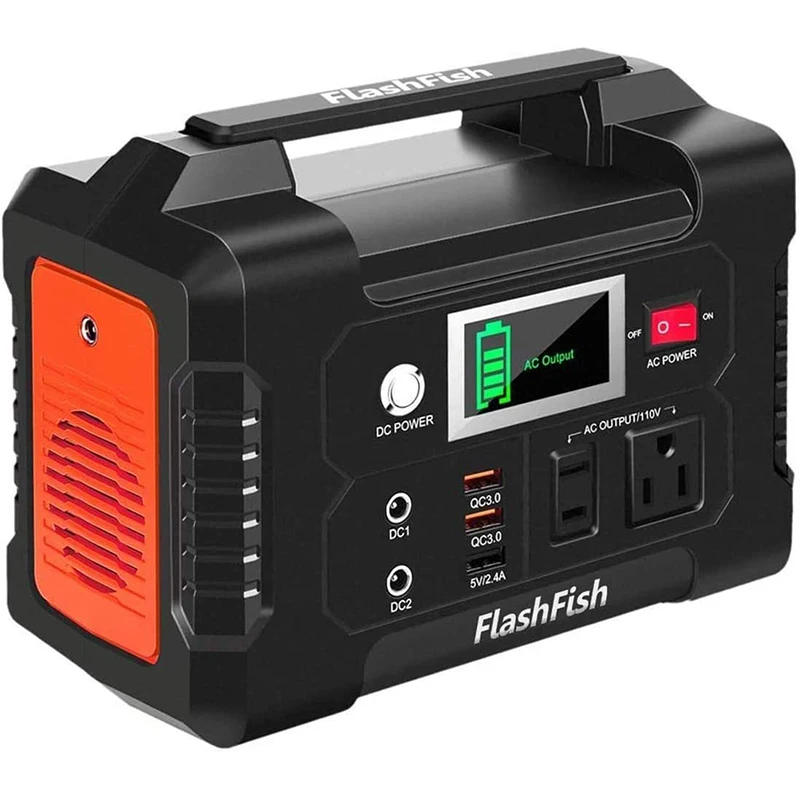
Portable Power Station 200W Solar Generator — Enough output to keep phones, a CPAP, or small medical devices running through a multi-day outage.
Show Image

PRUNUS 924 Hand Crank NOAA Weather Radio — Hand-crank means it never truly dies. It’s also a power bank and a flashlight, so it covers three categories on this list in one item.
Cell towers can go down or get overloaded during major events. Having a way to reach people that doesn’t depend on the cell network is the difference between staying connected and being cut off.
What to have on hand:
Show Image
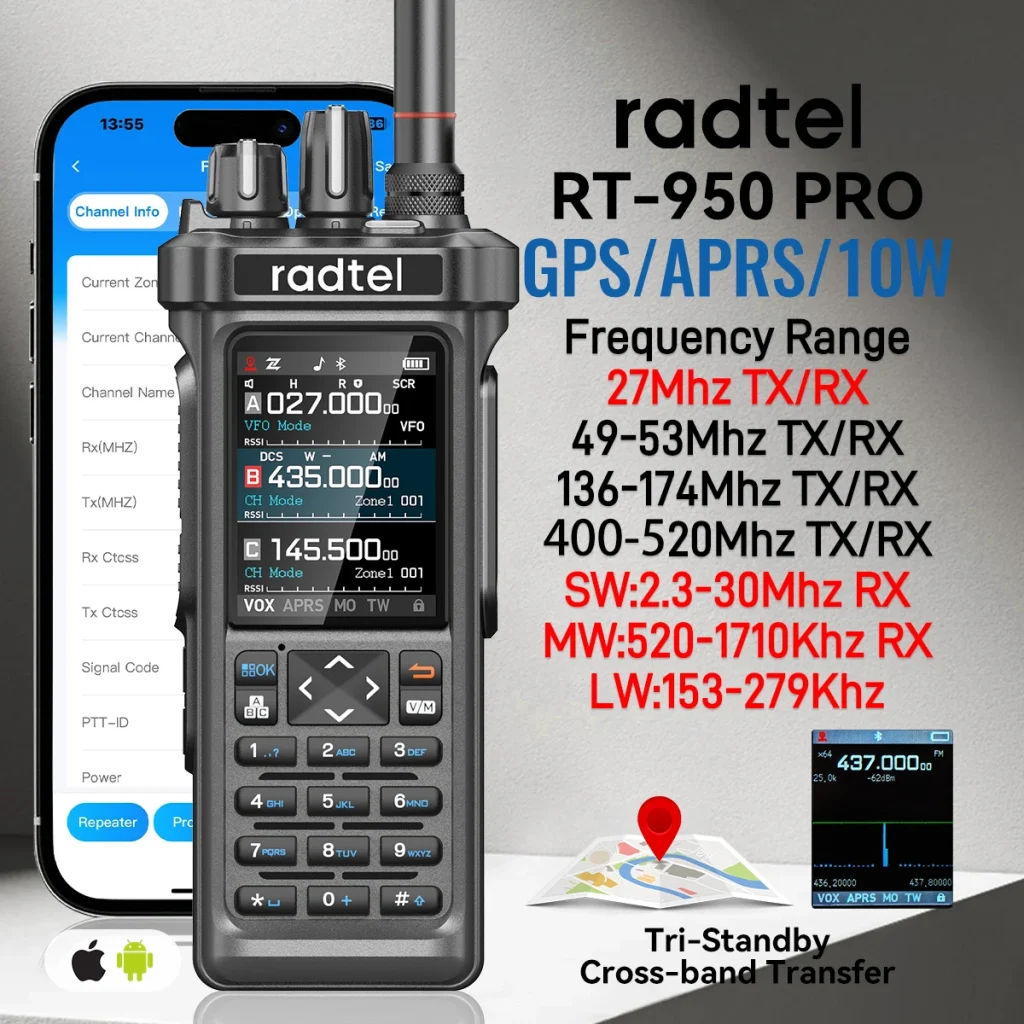
PRO Walkie Talkie AM/FM/CB/LSB/USB/CW Receiver with GPS — Useful for staying in contact with family members across a property, a neighborhood, or if you get separated during an evacuation.
In an emergency, you’re your own first responder until help arrives — and “until help arrives” can mean hours, not minutes.
What to have on hand:
Show Image
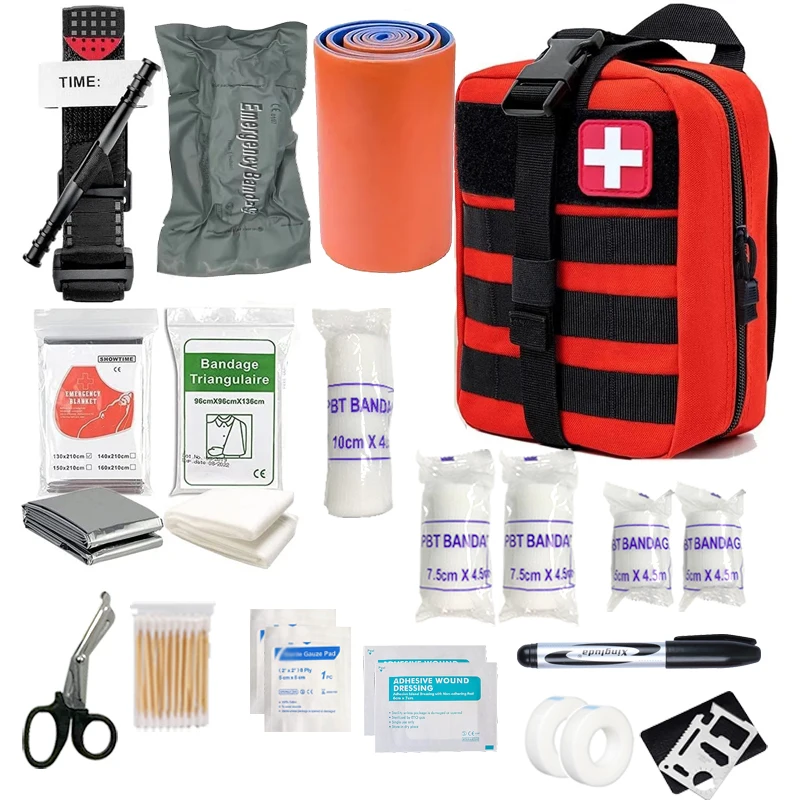
70pcs First Aid Kit with Tourniquet — Includes a tourniquet, which most basic kits leave out entirely. That’s not a detail to skip.
None of this helps if it’s scattered across three closets when you need it fast. Everything above should live in one place, ready to grab.
What to have on hand:
Show Image
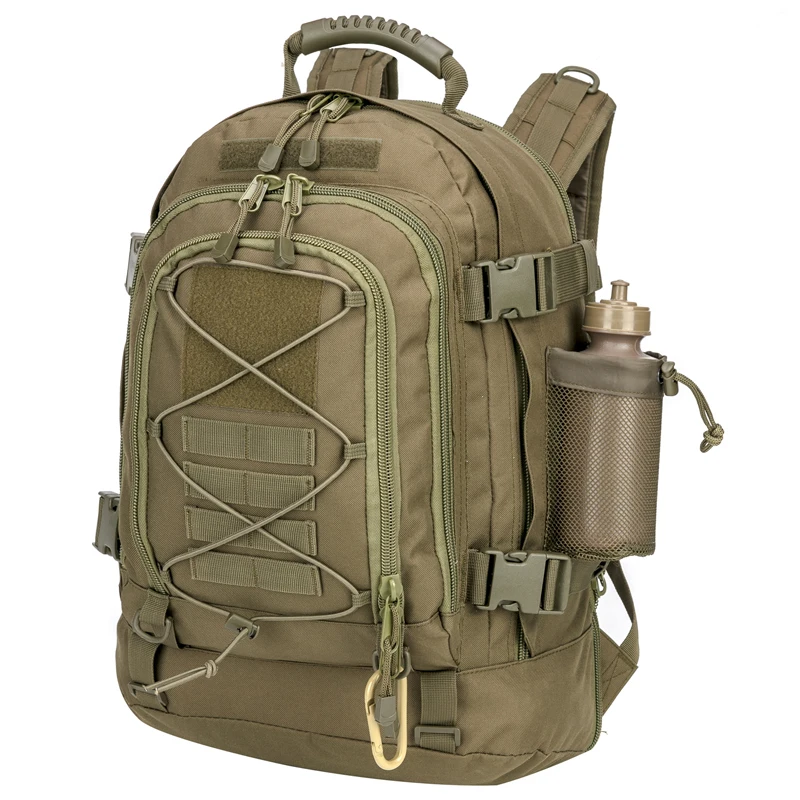
65L Outdoor Tactical Backpack — Enough room to hold the water container, radio, first aid kit, and light from this list, with room left for personal items.
This isn’t about buying everything on this list today. If you’re starting from zero, here’s the order we’d actually prioritize, based on what fails first in a real outage:
Build it piece by piece, or save time and grab it as a bundle — see our Preparedness Bundles for kits that cover several of these categories at once.
Have questions about what fits your specific household? Email us at support@slybossoutdoors.com — we read every message.
Stay ready. Stay safe. — Sly Boss Outdoors