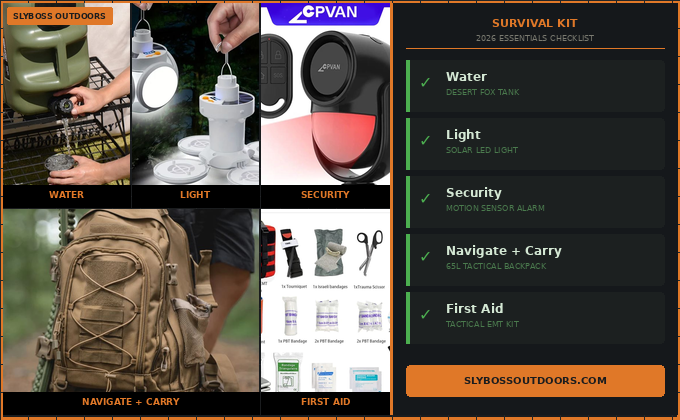

Published: August 31, 2026
Category: Emergency Preparedness | Survival Gear
Author: Slyboss Outdoors
Reading time: ~5 minutes
Being prepared for an emergency starts with more than collecting a few supplies. A dependable survival kit brings together essential equipment to help you stay safe, hydrated, informed, and ready when everyday routines are disrupted.
In this Slyboss Outdoors guide, we’ve organized emergency preparedness essentials into seven practical categories to help you identify what you already have, what may be missing, and where to begin.
FEMA recommends keeping emergency supplies readily available, including enough water, food, and other necessities to support your household for at least three days. Our seven-category checklist builds on general preparedness principles to help you create a kit suited to your home, vehicle, or outdoor adventures.
An emergency kit should do more than hold a collection of supplies. It should help you meet essential needs when severe weather, power outages, roadside emergencies, or other unexpected situations disrupt your normal routine.
FEMA recommends preparing emergency supplies to support your household for at least three days. That includes drinking water, nonperishable food, medications, communication tools, and other necessities appropriate for your family.
At Slyboss Outdoors, we’ve organized this guide into seven practical equipment categories to make building and reviewing your emergency kit easier:
Important: These seven categories are a planning framework, not a complete emergency supply list. Food, medications, sanitation supplies, emergency communications, and personal documents should also be included in your overall preparedness plan.
Let’s look at each category, what it helps you prepare for, and the equipment worth considering.
Why it matters: Safe drinking water is one of the most important emergency supplies. FEMA recommends storing at least one gallon of water per person per day for several days, with additional supplies for hot weather, medical needs, and pets.
A common mistake: Depending entirely on one water source. Stored drinking water should be your first line of preparation, with a suitable backup treatment method when appropriate.
The smart approach: Store enough safe drinking water for your household, use clean food-grade containers, and consider a reliable filtration or purification method as a backup. Remember that not every water filter removes viruses or chemical contaminants, so always follow the manufacturer’s treatment instructions.
Shop it at Slyboss:
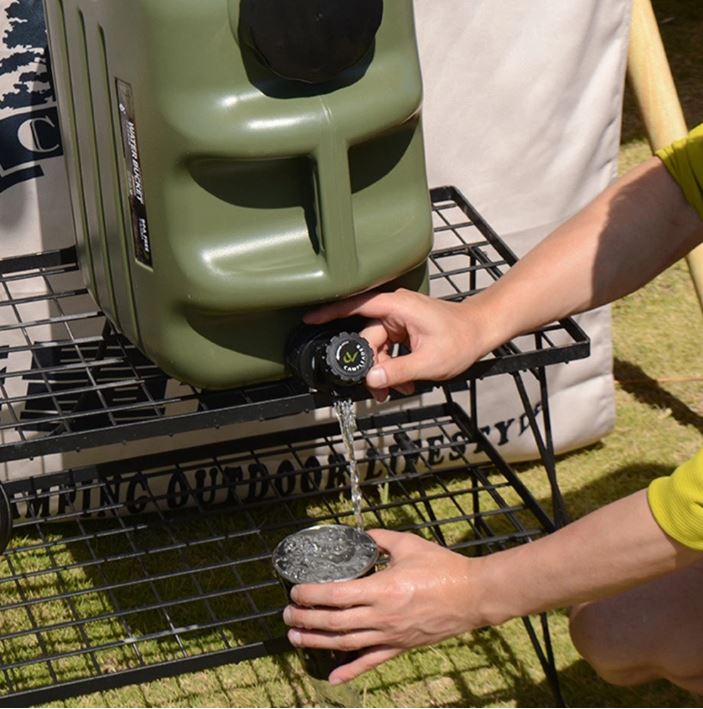
Desert Fox Large Water Tank Container with Spigot
A large-capacity, durable water container built for serious storage. The integrated spigot makes dispensing easy during an emergency without wasting a drop. Available in multiple sizes to match your household’s 72-hour needs.
Why it matters: Reliable lighting helps you navigate safely during power outages, nighttime emergencies, and unexpected situations when normal lighting is unavailable. Flashlights, lanterns, and headlamps can help you see hazards, locate supplies, and move around more safely.
The smart approach: Keep more than one dependable light source available. Consider rechargeable lights with USB or solar charging capabilities, but maintain a backup such as a battery-powered flashlight with spare batteries. Solar charging depends on sunlight and may be slow or unavailable during extended storms.
Shop it at Slyboss:
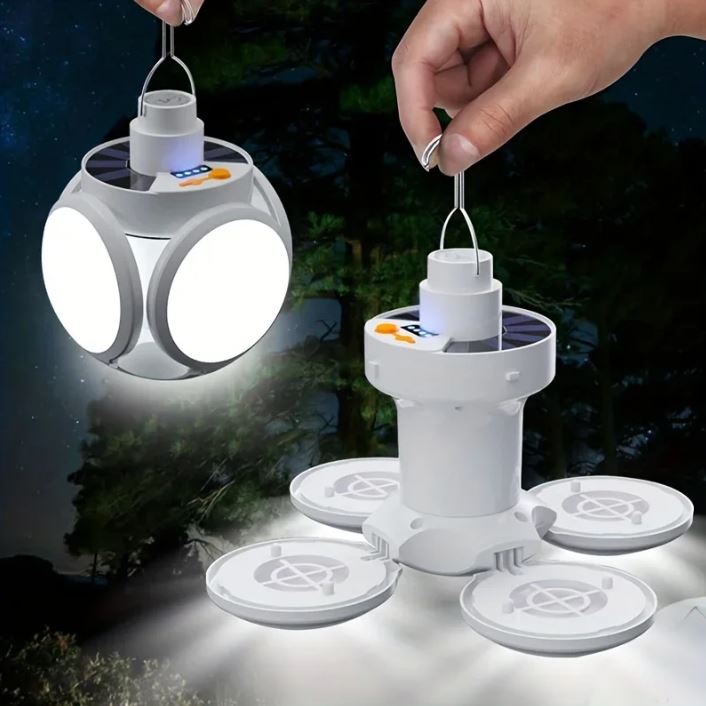
Solar/USB Rechargeable Folding Outdoor LED Light
A versatile lighting option for camping, power outages, and emergency preparedness. With USB and solar charging options, this rechargeable LED light provides flexibility when conventional power sources are limited. Charging performance depends on available sunlight and power conditions.
Why it matters: Awareness of your surroundings can be valuable during emergencies, camping trips, and temporary stays in unfamiliar locations. A motion sensor alarm may provide an additional alert when movement is detected near a designated area.
The smart approach: Consider a portable, battery-powered motion sensor alarm as one part of your preparedness setup. Choose a model suited to its intended environment, position it according to the manufacturer’s instructions, and regularly check its batteries and operation. Remember that motion sensors have detection limitations and should not replace basic safety precautions.
Shop it at Slyboss:
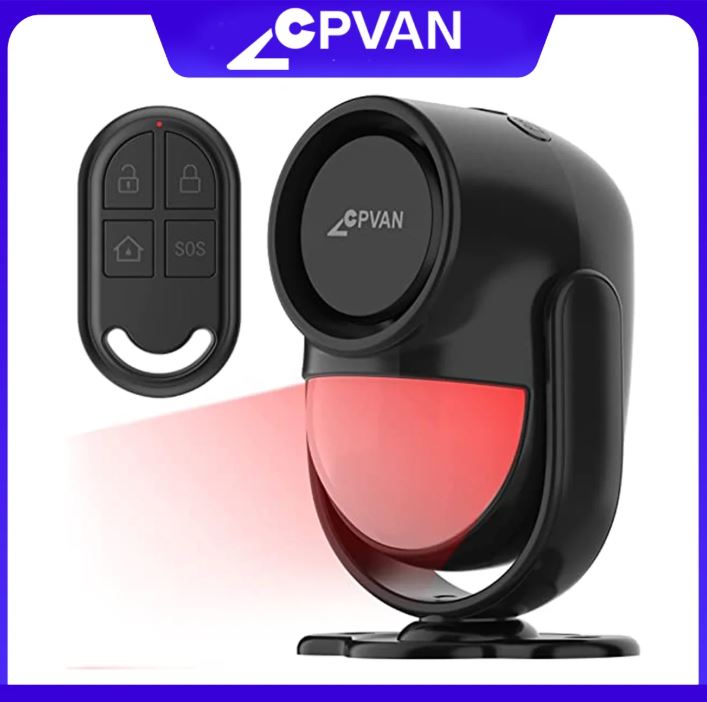
Wireless Infrared Detector Motion Sensor Alarm with Remote Control
A portable, battery-powered motion sensor alarm designed to provide an audible alert when movement is detected within its operating range. The included remote control allows convenient arming and disarming.
This alarm can provide an additional layer of awareness in suitable locations. Check the product specifications and manufacturer’s instructions for placement, operating range, and environmental limitations before use.
Why it matters: During an emergency, unfamiliar terrain, poor visibility, or a loss of cellular service can make finding your way more difficult. Knowing your location and having dependable navigation tools can help you make safer decisions whether you’re traveling, camping, hiking, or preparing for an evacuation.
The smart approach: Don’t rely exclusively on your phone or GPS device. Carry a reliable compass and an appropriate paper map as backup navigation tools. Learn how to use them together before an emergency occurs, and keep offline maps available on your phone when possible.
Shop it at Slyboss:
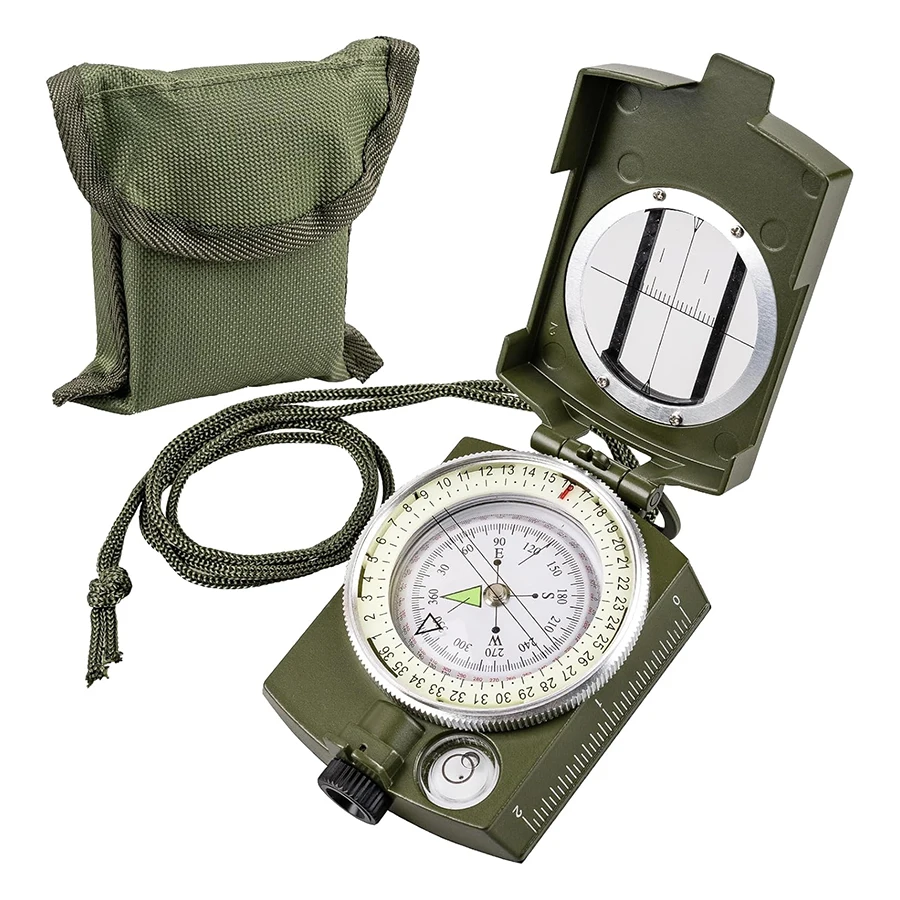
A practical backup navigation tool for hiking, camping, road trips, and emergency preparedness. Its sighting function can assist with taking directional bearings, while its compass-based operation doesn’t require batteries or cellular service.
Pair it with an appropriate paper map and basic navigation skills to help maintain your sense of direction when electronic navigation isn’t available.
Why it matters: During emergencies, professional medical assistance may not be immediately available. A well-stocked first aid kit can help you manage minor injuries and provide initial care while waiting for additional assistance when needed.
The smart approach: Having first aid supplies is only part of being prepared. Familiarize yourself with the contents of your kit, check expiration dates regularly, and consider completing a basic first aid and CPR training course.
What your kit should include: Adhesive bandages in multiple sizes, sterile gauze, medical tape, antiseptic wipes, disposable nitrile gloves, tweezers, and other supplies appropriate for your household. Keep necessary personal medications available according to their storage requirements, and consider a CPR face shield or mask.
Keep it accessible: Store your first aid kit in a clearly identified, easy-to-reach location at home, in your vehicle, or with your outdoor emergency supplies. Make sure everyone in your household knows where to find it.
Shop it at Slyboss:
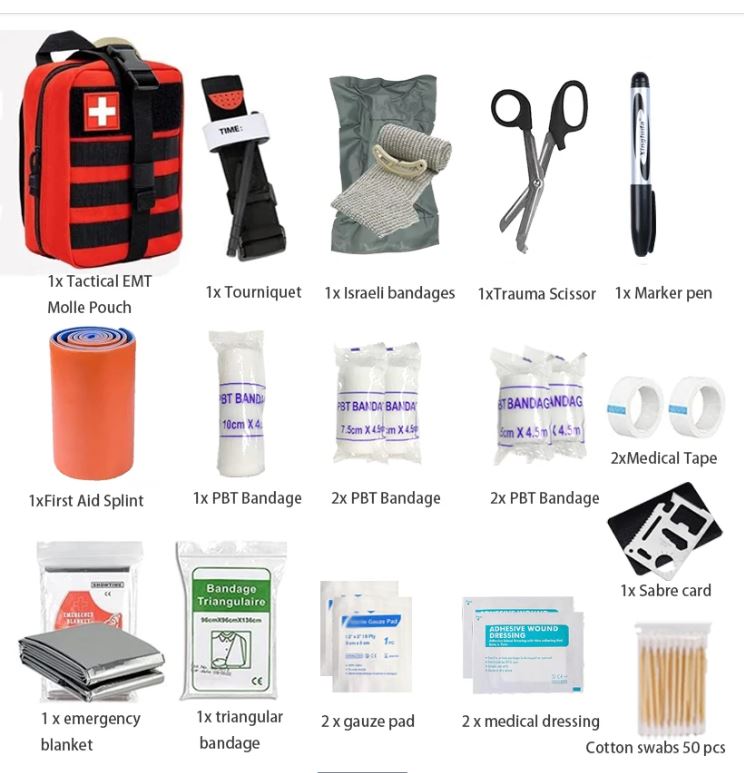
70-Piece First Aid Kit with Tourniquet
A compact emergency first aid kit containing a selection of supplies for basic injury care. Designed for convenient storage at home, in your vehicle, or alongside your outdoor preparedness equipment.
Review the included contents before use, and make sure you understand how to use any specialized equipment, particularly the tourniquet. Supplement the kit with any additional supplies your household may require.
Why it matters: During severe weather, power outages, or other emergencies, staying informed can help you make safer decisions. Cellular networks and internet connections may become unavailable or unreliable, making alternative sources of information an important part of your emergency preparedness plan.
The smart approach: Include a reliable emergency weather radio in your preparedness kit. Look for a model that receives NOAA Weather Radio broadcasts and offers backup power options, such as replaceable batteries, rechargeable batteries, or hand-crank charging.
A weather radio can provide important forecasts, watches, and warnings when broadcasts are available. For additional preparedness, keep a charged phone, backup power bank, and a written list of emergency contacts.
Remember: A NOAA weather radio receives information; it does not provide two-way communication or replace a phone or satellite communication device for requesting emergency assistance.
Shop Recommended Emergency Communications Gear:
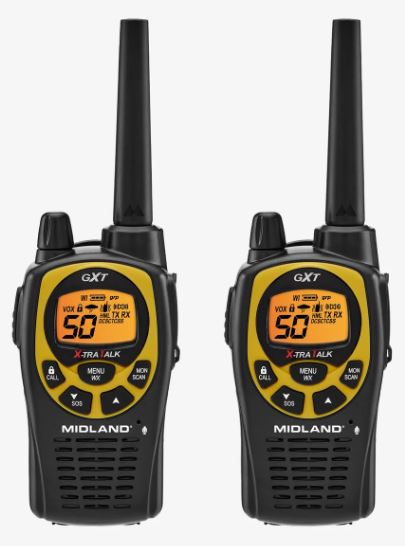
Midland GXT1030VP4 GMRS Walkie Talkies — Yellow
Stay connected with family members, travel companions, or your outdoor group when cellular service is limited or unavailable.
The Midland GXT1030VP4 two-way radios combine high-visibility yellow housings with practical preparedness features:
Actual communication range depends on terrain and surrounding obstacles. GMRS operation generally requires an FCC license in the United States. These radios do not replace a phone or satellite emergency communicator.
View Midland GXT1030VP4 details and current pricing →
Affiliate disclosure: Slyboss Outdoors may earn a commission if you purchase through our Midland affiliate link, at no additional cost to you.
Why it matters: Unexpected weather can turn an ordinary outing, roadside delay, or power outage into a serious situation. Cold temperatures, wind, rain, and prolonged exposure can increase the risk of hypothermia, especially when you’re unable to reach shelter quickly.
The smart approach: Include compact emergency blankets as part of your preparedness kit. Reflective emergency blankets are lightweight, easy to store, and can help reduce radiant heat loss when used appropriately.
For more complete protection, combine them with weather-appropriate clothing, waterproof outer layers, dry socks, and access to suitable shelter. Keep extra blankets in your vehicle, camping gear, or home emergency supplies.
Remember: Emergency blankets are a temporary preparedness aid—not a substitute for proper insulation, dry clothing, or shelter. In cold or wet conditions, getting out of the elements remains a priority.
Shop it at Slyboss:
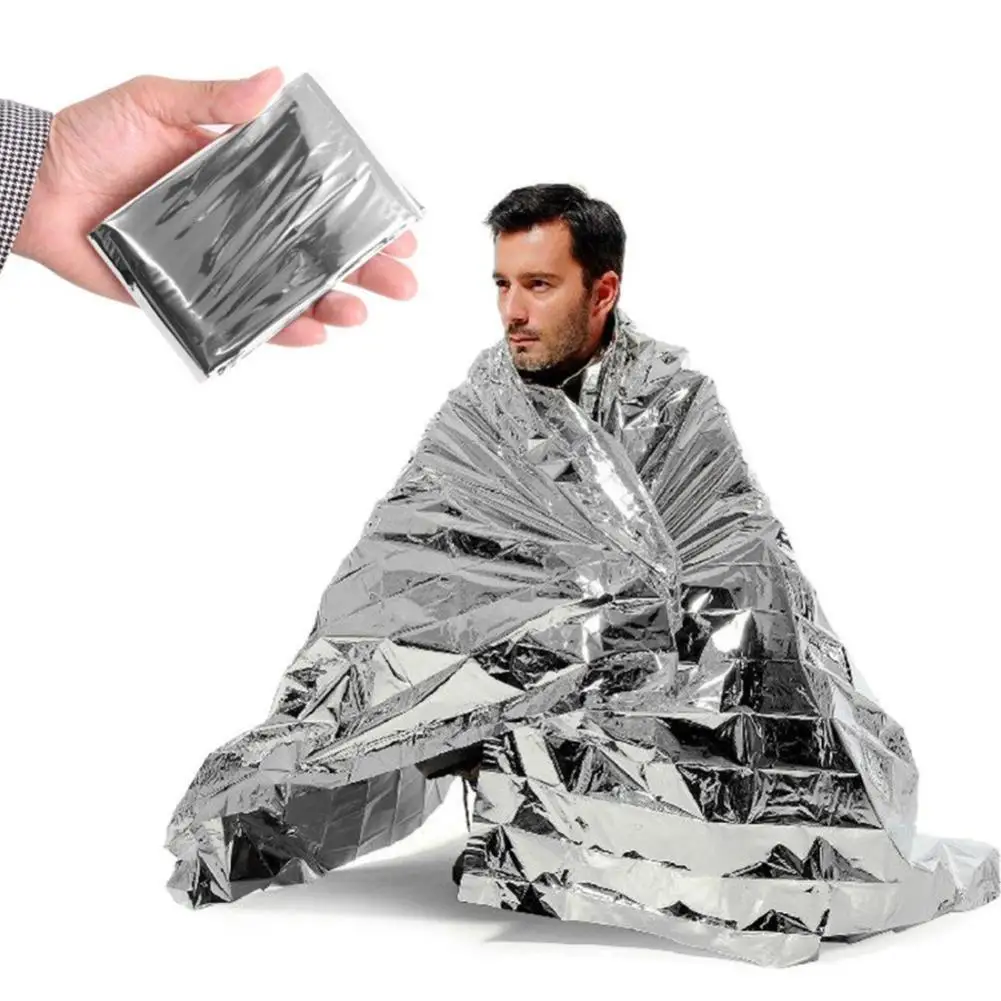
Emergency Mylar Thermal Blanket
Compact, lightweight, and easy to store, this reflective emergency blanket is a practical addition to your survival kit, vehicle emergency supplies, or hiking backpack.
Made from coated PET film, it provides a reflective barrier that can help reduce radiant heat loss during unexpected cold-weather situations.
Why Slyboss Recommends It:
Important: Emergency Mylar blankets are temporary protection and do not replace insulated clothing, a sleeping bag, or adequate shelter. Keep the blanket away from open flames and other heat sources.
A preparedness kit shouldn’t be a random collection of products. It should reflect the people who will depend on it, the emergencies you’re most likely to face, and the supplies you’ll need when everyday conveniences become unavailable.
A household preparing for a power outage may prioritize backup lighting, communications, and stored water. Someone preparing for a roadside emergency may need additional vehicle supplies, while campers and hikers should consider navigation, weather exposure, and access to safe drinking water.
Start with the seven categories, then customize your kit for your situation.
Remember that these categories are a starting framework—not a complete emergency supply list. Your kit should also account for food, prescription medications, sanitation, important documents, personal hygiene, pets, and any special medical or accessibility needs.
Review your supplies at least twice a year, check expiration dates and batteries, and update your kit as your household’s needs change.
Use this checklist to review the seven preparedness categories and explore the equipment featured in this guide.
| Category | Recommended Gear |
|---|---|
| 1. Water | Desert Fox Large Water Tank Container with Spigot |
| 2. Light | Solar/USB Rechargeable Folding Outdoor LED Light |
| 3. Security & Alerts | Wireless Infrared Motion Sensor Alarm with Remote Control |
| 4. Navigation | Tactical Survival Compass with Sighting Function |
| 5. First Aid | 70-Piece First Aid Kit with Tourniquet |
| 6. Emergency Communications | Midland GXT1030VP4 GMRS Walkie Talkies |
| 7. Weather Protection | 130 × 210 cm Emergency Mylar Thermal Blanket |
Product availability and pricing may change. Visit the individual product pages for current details.
You don’t need to purchase everything at once. Start with the supplies your household needs most, build your kit over time, and make sure everyone knows where the essentials are stored.
Being prepared isn’t about fear. It’s about confidence.
Explore Survival & Preparedness Gear at Slyboss Outdoors →
For broader emergency supply recommendations, visit Ready.gov — Build a Kit.
The seven categories presented in this article are a Slyboss Outdoors organizational framework, not an official FEMA checklist or endorsement..
Shop all survival and preparedness gear at Slyboss Outdoors →
*Slyboss Outdoors — Preparation Creates Freedom. Follow us on Facebook | Instagram | Pinterest